
What is CTE?
Chronic Traumatic Encephalopathy (CTE) is a degenerative brain disease found in, “athletes, military veterans, and others with a history of repetitive brain trauma” (James, 2019). CTE is formed from a build up of a protein called Tau. this protein build up eventually spreads throughout the brain which results in the death of many brain cells.
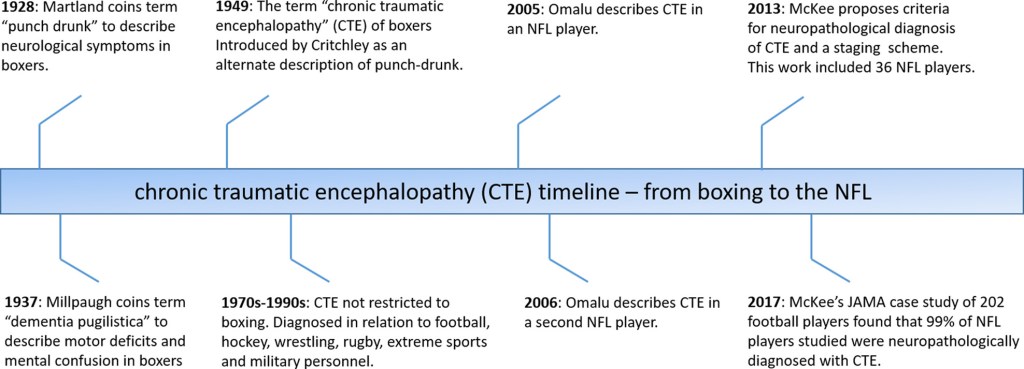
CTE was first seen in 1928 when boxers were described as having “punch drunk syndrome.” Over the years, more cases were confirmed. Although CTE hasn’t been studied extensively, and still isn’t fully understood, researchers are still trying to better distinguish the relationship between head trauma and CTE, including whether the amount or severity of head trauma plays a role in the development of CTE.
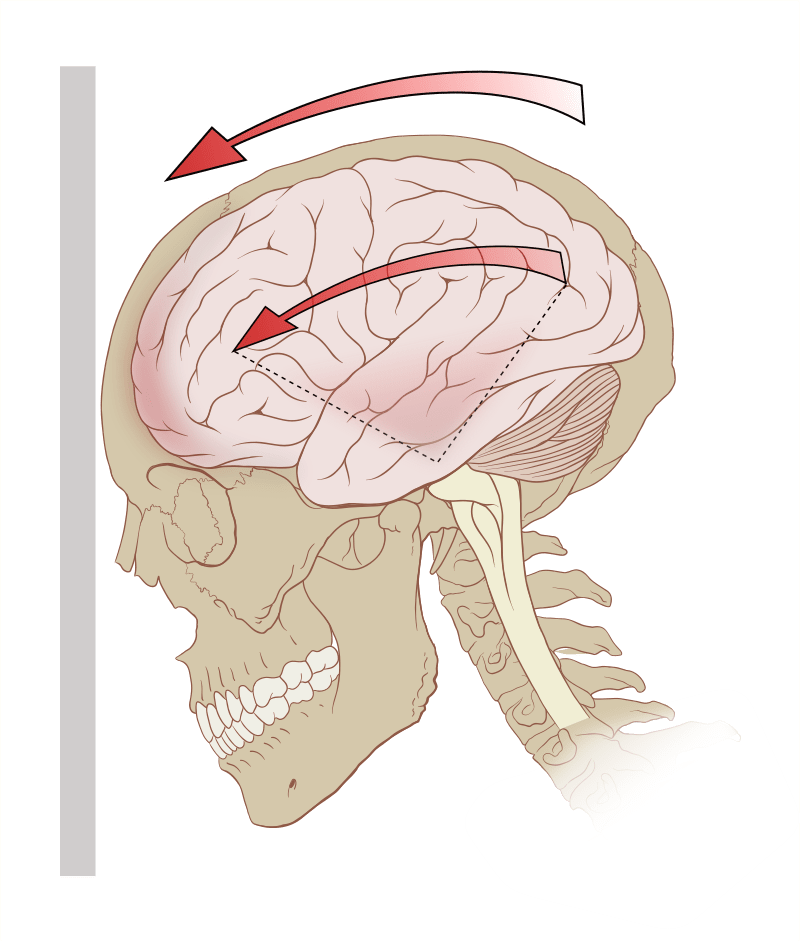
*Frequency, duration, and magnitude of brain injury plays a role in the development of CTE*
Risk Factors
- Repetitive head trauma
- Multiple concussions have been shown to be a risk factor for cognitive neurodegeneration which predisposes the development of CTE later in life
- Experiencing 3 or more concussions is correlated to increased risk of prolonged symptoms

Some genetic susceptibility has predisposed CTE development
Apolipoprotein (Apoε) – individuals possessing this allele have poor functional outcomes (longer recovery time from neurotrauma, increased injury severity, greater cognitive deficit in football players, and experience worse clinical outcomes).
Age of first exposure (AFE) to contact has been associated with neurological and psychiatric dysfunction
- Ages 9-12 identified as key periods for neurological maturation (vulnerability of the brain during this period may be exploited via brain trauma)
- Alosco et al. (23) demonstrated that AFE<12 was associated with more than double the risk of cognitive impairment in later life






Brief History / The science behind CTE
CTE was first described in 1928 by Dr. Harrison Martland who studied boxers. The term was initially called “punch drunk syndrome” and was found in those who experienced neurological symptoms after suffering repetitive head trauma. Martland, documenting 23 cases of boxers, noted that symptoms of being ‘punch drunk’ could present themselves immediately after injury in changes to the boxers gait (recognized as staggering or swaying). The level of skill of the boxer, as well as the level of anticipated risk taking in the ring, were considered factors in punch drunk syndrome.
Over the next 75 years, similar findings were reported in athletes from a wider range of sports (including football, hockey, wrestling, and other contact sports), as well as in victims of brain trauma. Actual confirmed cases of CTE remained limited. In 2005, Bennet Omalu, physician, neuropathologist, forensic pathologist, published the first evidence of CTE in American football player Mike ‘Iron Mike’ Webster, a former Pittsburgh Steeler. Since this time, efforts have been continued to validate the seriousness of CTE as a degenerative neurological disease.
Research has shown that CTE increases the risk of suicidal thoughts.
If you are experiencing this, call 911 or the National Suicide Prevention Lifeline: 800-273-8255.
 CTE Recognition Foundation