
Who is most at risk for CTE?
CTE heavily impacts those involved in contact sports, specifically football, rugby, hockey, and wrestling. It can also affect those in non-contact sports such as horseback riding and parachuting, due to extreme movement of the head leading to repeated sub-concussive impacts. Therefore, participants in sport should be cautious of brain trauma that may not seem serious at the time. Symptoms of CTE can develop many years after participation in sport and resemble symptoms of Alzheimer’s and PTSD. Some researchers believe the apolipoprotein E (APO E) that can be a predisposing risk factor for Alzheimer’s could also increase the risk of developing CTE. This belief stems from the similarities of tau protein build up in the brain when comparing Alzheimer’s and CTE. Although CTE is diagnosed post-mortem as discussed in the next section, it is important for everyone to protect their brain throughout their sporting career to avoid complications later in life (Psychiatry Neuroimaging Laboratory [PNL], 2014).
How is CTE diagnosed?
CTE can only be properly diagnosed via an autopsy post-mortem. There are no agreed upon clinical features specifically for CTE, since many symptoms overlap with other mental health conditions such as Alzheimer’s and PTSD (Graham & Sharp, 2019). Although, there are ways to test patients that are suspected to be suffering from CTE without clinically diagnosing them. A few tests that can be done include MRI’s and PET scans. These tests check for signs of CTE, such as brain shrinkage, and patchy build up of tau (Perkins, 2016). Preliminary testing has begun to create a clinical criteria of symptoms that include anxiety, anger problems, depression, headaches, and risk of suicide. If further studies can confirm the prevalence of these symptoms in individuals with CTE, diagnosing people with CTE while still alive could be possible.
AFFECTED LIVES:
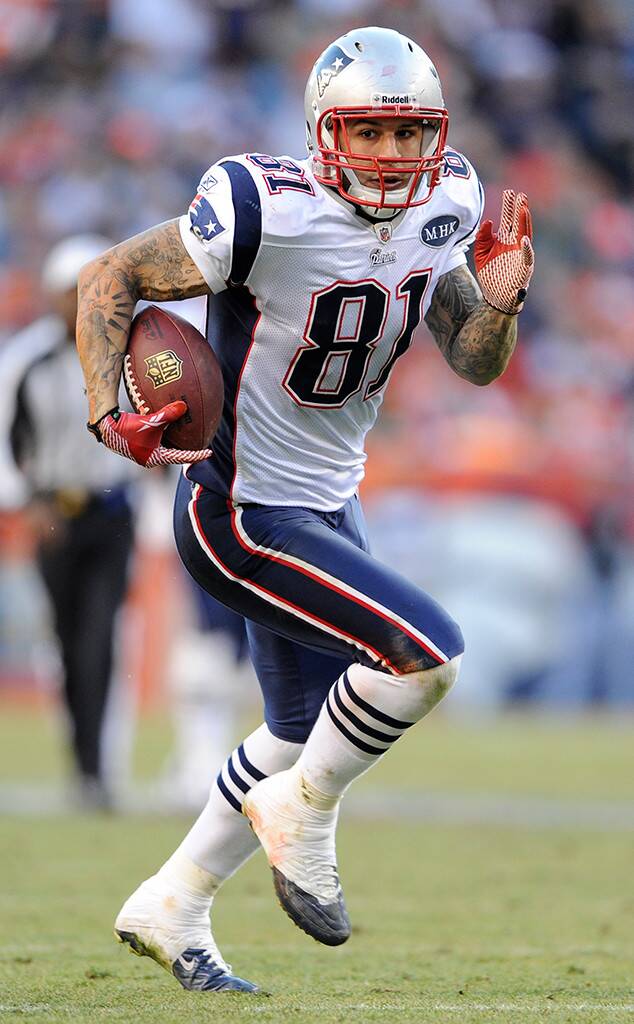
Aaron Hernandez
Tight end for the New England Patriots
Hernandez was a member of the New England Patriots NFL team from 2010-2012. On April 14, 2017, Hernandez was acquitted of two counts of murder in the drive-by shooting of Abreu and Furtado outside a Boston nightclub in July 2012. Shortly after, he was found hung in his jail cell, an apparent suicide.
Post-mortem scans revealed he had been suffering with CTE. He was found to have severe brain atrophy and excessive damage to the frontal lobe. Across his lifetime, friends and family said he showed signs of the degenerative disease including mood changes (aggression, irritability, impulsivity), memory problems, and migraines.
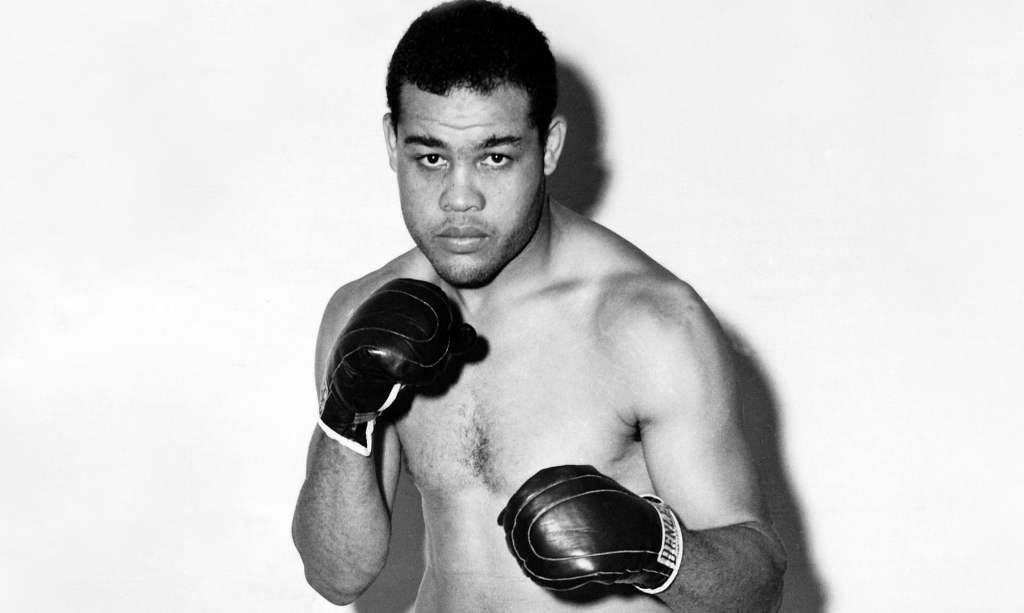
Jou Louis
Former World Boxing Champion
A former world champion boxer who had participated in 70 fights between 1934 and 1951. He was considered one of the first athletes to challenge the racial barrier in the United States. Throughout his boxing career, and post-boxing life, he suffered well documented physical and mental breakdowns which were often attributed to his mental degeneration.
Reporters and fans often cited Louis for being ‘punch drunk’. This term was used to describe CTE conditions that many boxers often suffered.
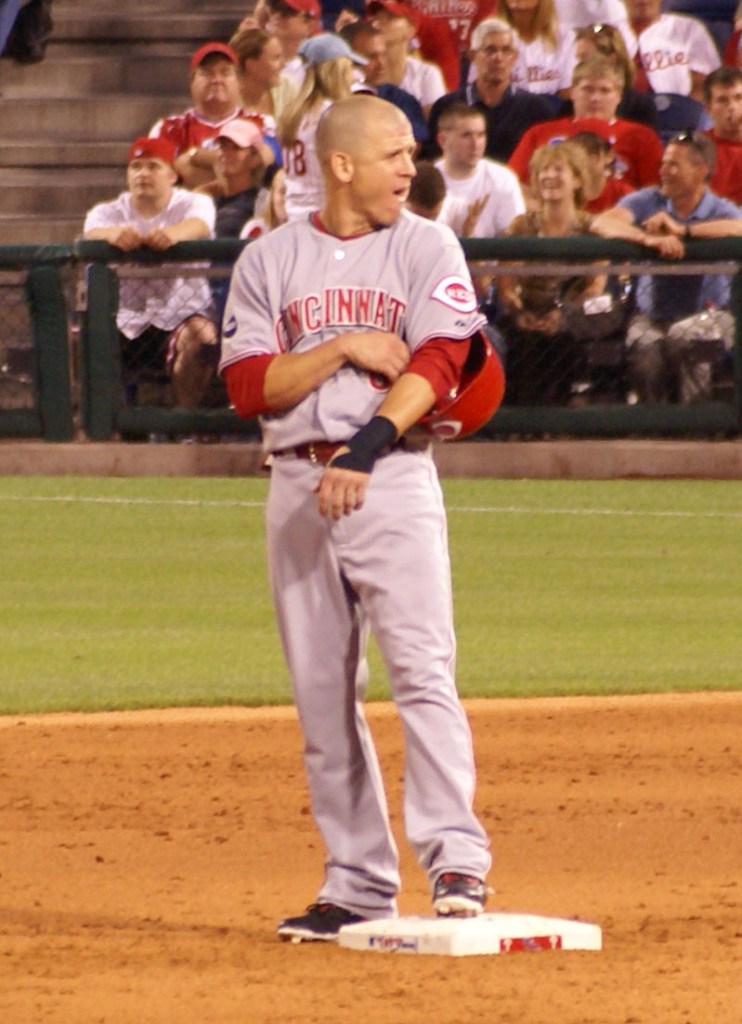
Ryan Freel
MLB Player
Freel played nine years in the MLB, finishing his career with the Cincinnati Reds. While playing center field, he sustained a traumatic head injury chasing a fly ball. Shortly thereafter he sustained a serious concussion from a hit to the head while at bat. He retired in 2009 due to injuries.
He passed away in 2012 due to a self-inflicted gunshot wound. Examiners determined that he suffered from CTE due to his severe head injuries as a professional baseball player. He became the first MLB player to be diagnosed with CTE.
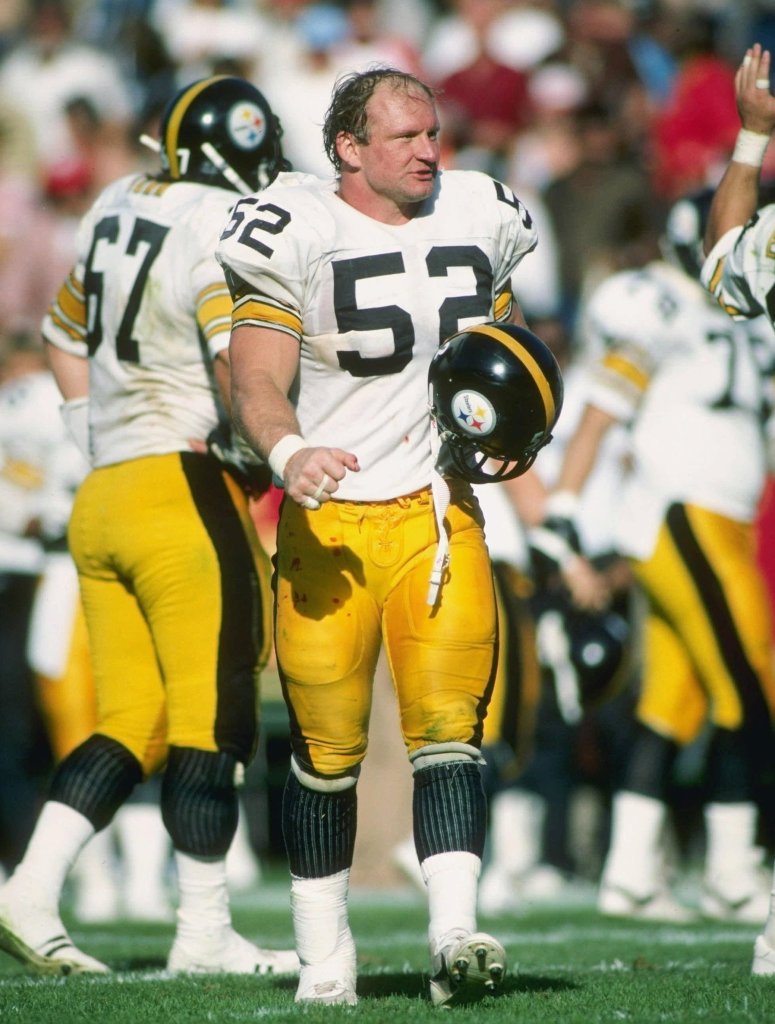
Mike Webster – “Iron Mike”
Offensive Lineman in the NFL
Considered one of the greatest offensive linemen of all time, he was a 9 time Pro Bowl selection and 9 time All-Pro selection having played on the Pittsburgh Steelers from 1974-1990. He was a member of four of their 1970s’ Super Bowl winning teams. He played the most season (15) and the most games (220) in Steelers’ history.
He was remembered as being one of the toughest and most hard-working athletes in the league. He was never officially treated for concussion, but the years of being an NFL center, and the constant physicality left him victim to multiple.
Post football career, he suffered from episodes of depression, dementia, and severe pain. He spent periods of time in homlessness. Webster was significant in the early understandings of CTE, having been the first NFL player to be diagnosed (thanks to the work of Bennet Omalu in 2002).
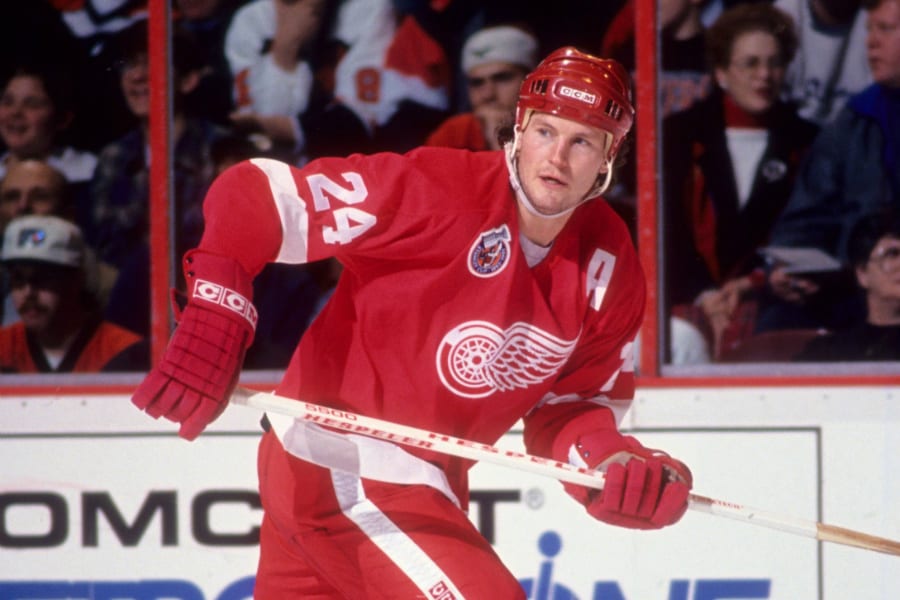
Bob Probert
Left Winger in the NHL
Probert spent had a 17-year career in the NHL playing for both the Detroit Red Wings and Chicago Blackhawks. He made a name for himself by becoming one of the most feared enforcers and fighters in the league, racking up a career total of 3, 300 penalty minutes.
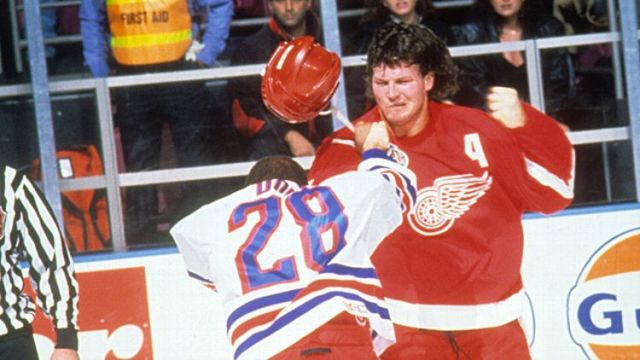
Prior to his death, he told his family that he wanted to donate his brain to Boston University in support of research on brain trauma. During his 40s, his family described new problems with short-term memory, attention and temper. Examination post death revealed that the ex-NHL player had fallen victim to CTE. It was determined that his many episodes of erratic behaviour was most likely due to brain trauma and the development of CTE.
Reggie Fleming, the only other NHL player to be diagnosed with CTE was also an enforcer. Information gained from these former hockey stars has raised awareness of the severity of hits to the head, and concussions, in hockey players at all levels.
 CTE Recognition Foundation